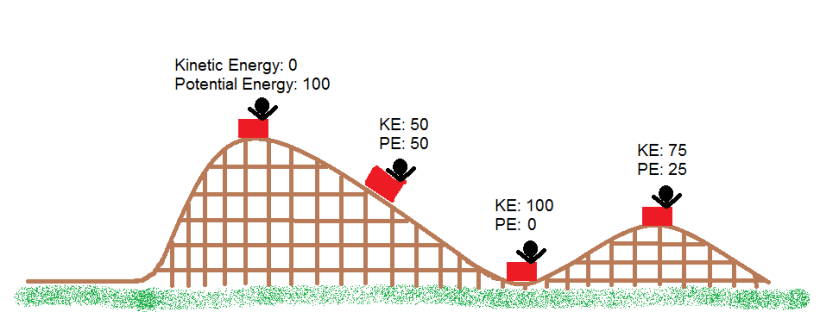
Rollercoaster

Potential Energy & Kinetic Energy

Objective: to build a “successful” rollercoaster that travels the slowest demonstrating potential and kinetic energy. Successful=BB is able to travel the entire distance from beginning to end

Material:

  • Rubber tubing
  • Masking tape
  • Ruler
  • BB
  • Cup

Procedure:

  1. in your composition book, incorporate a rollercoaster at least one of the following:
  • uphill
  • downhill
  • horizontal loop
  • vertical loop
  1. build it
  2. test it
  3. keep trying if it doesn’t work
  4. draw final product
  5. label all areas of potential and kinetic energy

Results:
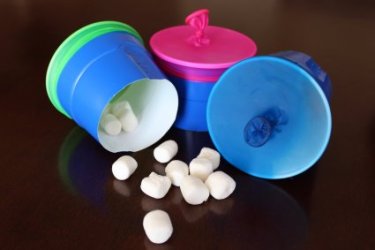
Marshmallow Wars

Objective: to demonstrate the potential and kinetic energy of a marshmallow

Materials:

  • Cup
  • Balloons
  • Tape
  • Marshmallows

Procedure:

  1. Cut the bottom half of your cup
  2. Cut your balloon in half and tie a not
  3. Take the balloon at the end of the cup
  4. Place the marshmallow at the end of the cup
  5. Pull the balloon back and shoot
  6. Organize yourself into teams

Marshmallow Wars:

Team A: 11

Team B: 3

Team C: 6

Team D: 0

Team E:  3

Team F: 11 *winner*

Buffer Reaction

Problem: ocean water has been used as dumping ground of all of our waste.

Hypothesis: what will happen if we dump acids or bases in our ocean?

 Material:

  • Ocean water
  • Distilled water
  • HCl 2% acid
  • pH paper 

    Procedure:

    1. take the pH of the distilled water and ocean water
    2. add HCl 2% to each sample
    3. take the pH of each sample and note the changes
Item pH
Distilled water 7
Distilled water with HCl 3.5
Ocean water 8
Ocean water with HCl 3.5

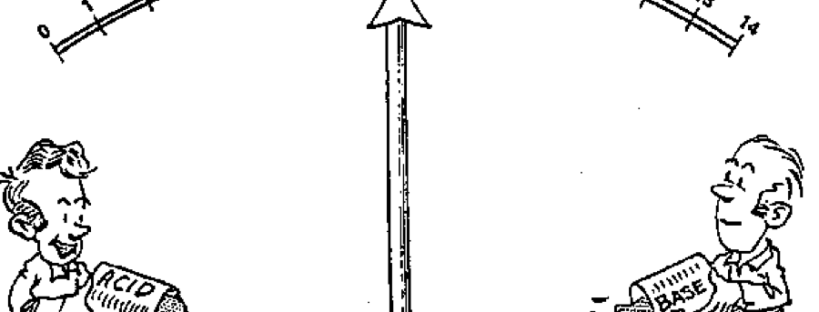
Common Household Acids & Bases

Acids & Bases

Objective: to test common household items of their acidity and alkalinity

Materials:

  • Soapy water
  • Soda
  • Distilled water
  • Baking soda
  • Vinegar
  • Milk
  • Bleach
  • Tums

Hypothesis & Procedure:

  1. Hypothesize pH value of the items provided
  2. Dip one pH strip in each of the items provided
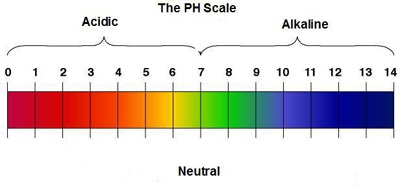
  3. Match the color of the pH strip to the pH key
  4. Record the pH for each of them
Item name pH hypothesis pH actual Acid, Base, or Neutral
Soapy water
Soda
Distilled water
Baking soda
Vinegar
Milk
Bleach
Tums

Post-Activity Questions

  1. What is the pH of a neutral solution? 
  2. What is the ratio of H+ to OH- in this solution? 
  3. Which item was the most acidic? What was its pH? 
  4. What item was the most basic? What was its pH? 
  5. Which item(s) was different from your hypothesis pH to the actual?
  6. Name some household items that are highly corrosive not tested today.
  7. If you accidently get an acid burn, what household item would you use to neutralize the burn?
  8. If you accidently get a basic burn, what household item would you use to neutralize the burn? 
  9. If you eat a hot chile pepper, what is the best item to eat/drink to neutralize the burn? 

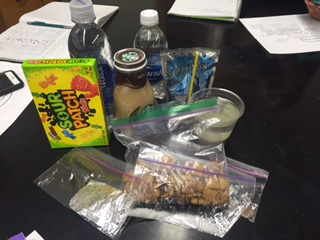
Objective: to understand the difference between:

A) Pure vs. Impure

  • Pure: Element vs. CompoundIf Mixture

B) If a mixture

  • Solution vs. suspension
  • Solution: solvent vs. solute


Materials:

  • Aluminum foil
  • Table salt
  • Chex mix
  • Sour patch
  • Smart water
  • Purified water
  • Capris sun
  • Penny
  • Mocha frappuccino
  • Sandy, muddy water

Procedure:

  • Draw a chart
  • Determine which substance fits where on the chart
  • Draw and label each product given

Writing Formulas

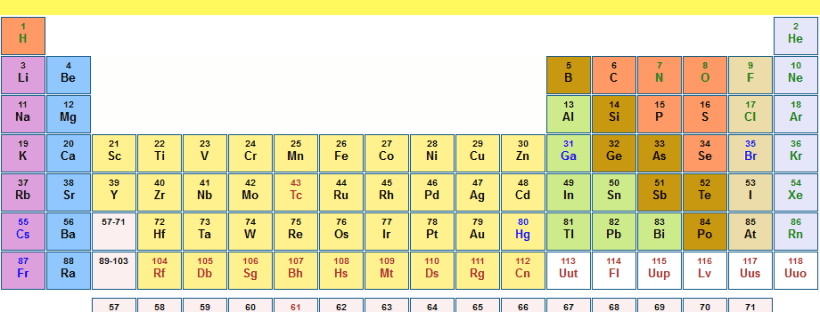
Periodic Table

Objective:

  • Know the symbol
  • Know the charge of the ion
  • Balance charges to 0

Instructions:

  • Determine the charges from the periodic table
  • Balance the charges
  • Write the formula

Writing the formula for the following elements

Ion Name Symbol Anion/Cation How many Formula
PotassiumOxygen KO CA 21 KO
MagnesiumBromine MgBr CA 12 MgBr
AluminumNitrogen AlN CA 11 AlN
Lead (IV)Nitrogen PbN CA 34 Pb N
Copper(II)Nitrogen CuN CA 32 Cu N
Aluminum ionNitrate ion NHNO CA 11 NH NO
CalciumPhosphate ion CaPO CA 32 Ca (PO)
Aluminum ionPhosphate ion NHPO CA 31 (NH ) PO
AluminumOxygen AlO CA 23 Al O
IronOxygen FeO CA 11 FeO
IronOxygen FeO CA 23 FeO
LeadSulfur PbS CA 11 FeS
LeadSulfur PbS CA 23 FeS
CopperOxygen CuO CA 11 CuO
CopperOxygen CuO CA 21 CuO

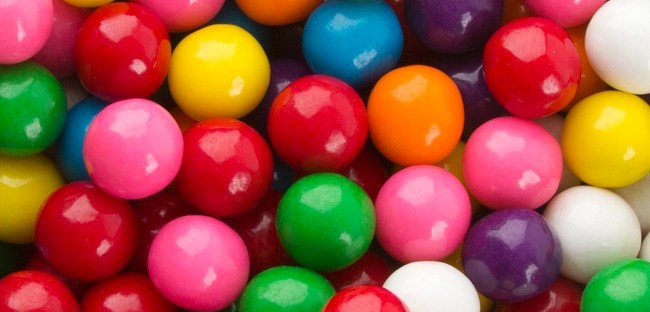
Candy Compounds

Candy Compounds

Objective: to learn the difference between ionic and covalent bonds.

Materials:

  • Toothpicks
    Gumdrops
  • Ziploc bag
  • Candy key

Instructions:

  • Have students work in groups
  • Give each student a candy key
  • Have each group color in their candy key according to the number of gumballs
  • Make each compound according to the bond type with a gumdrop
  • Fill in the following chart
  • Reuse the gumdrops

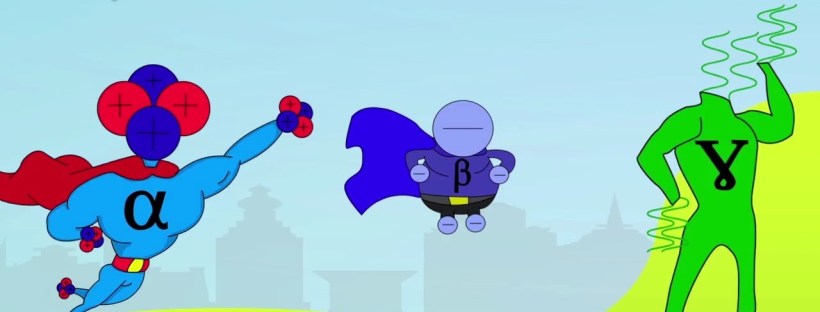
Radioactivity

Radioactivity 

Objective: To simulate the transformation of radioactive “candium” over time and relate it to radioactive decay and half-lives


Materials:

  • Paper
  • cup
  • 50 M&Ms or 50 skittles
  • Napkin

Procedure:

  1. With a partner, collect 50 pieces of “candium”
  2. Place all “candiums” with the letters facing up. These are the unstable parent isotopes.
  3. Fill in the appropriate numbers on the line on the table
  4. Place candy in cup and roll candy for 10 seconds
  5. Count the number of “M” side M&Ms and record under stable daughter isotope
  6. Count the number of “blank” side M&Ms and record them under stable daughter isotope
  7. Remove “blank” side candies and place them aside
  8. Place “M” side M&M back in the cup, shake, and roll on napkin
  9. Repeat until all of the “candiums” have decayed
  10. Begin again for trail 2


Post-Activity Questions:

  1. If a fossil contains 12.5% of carbon-14, how many half-lives has it undergone?
  2. How many years have passed since the organism died?
  3. The half-life of a certain radioactive element is 1,250 years. What would the ratio of parent-daughter be after 7,500 years?
  4. The half-life of a certain radioactive element is 800 years, how old is an object if only 12.5% of the radioactive element remains?

Light: Refraction

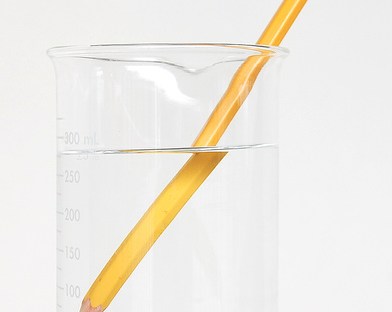
Light Refraction 

Question:
What will happen when a pencil is placed in a beaker air? What will happen when a pencil is placed in a beaker with and water? What will happen when a pencil is placed in a beaker with air, water, and oil?

Hypothesis:
If a pencil is placed in a beaker with air, then the pencil will have no refraction.

Materials:
– 3 beakers
– 3 pencils
– water
– oil

Procedures:
– place pencils in the 3 beakers
– record and draw results
– take pencils out for next group

Results & Conclusion:
Air-
Air & water-
Air, water, & oil

Light: Rainbow

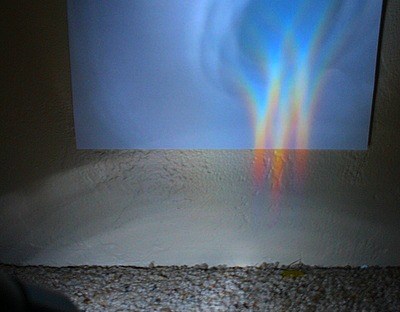
Light: Rainbow

Question:
What will happen when you shine the light on the Cd in the water?

Hypothesis:
If we shine the light on the CD in the water, then a rainbow will appear.

Materials:
– 1 CD
– glass tray
– flashlight
– white paper
– water

Procedures:
– hold white paper above the tray
– shine the flashlight at various angles until you see a rainbow from the white paper
– what was the angle of the reflection?
– record results

Results: What happened to the white light when it hit the CD in the water?

Conclusion: What happened and why? What happened to the light when it hit the water? Why did the rainbow show above the water dish?

Design a site like this with WordPress.com
Get started